


Rental Property Calculator
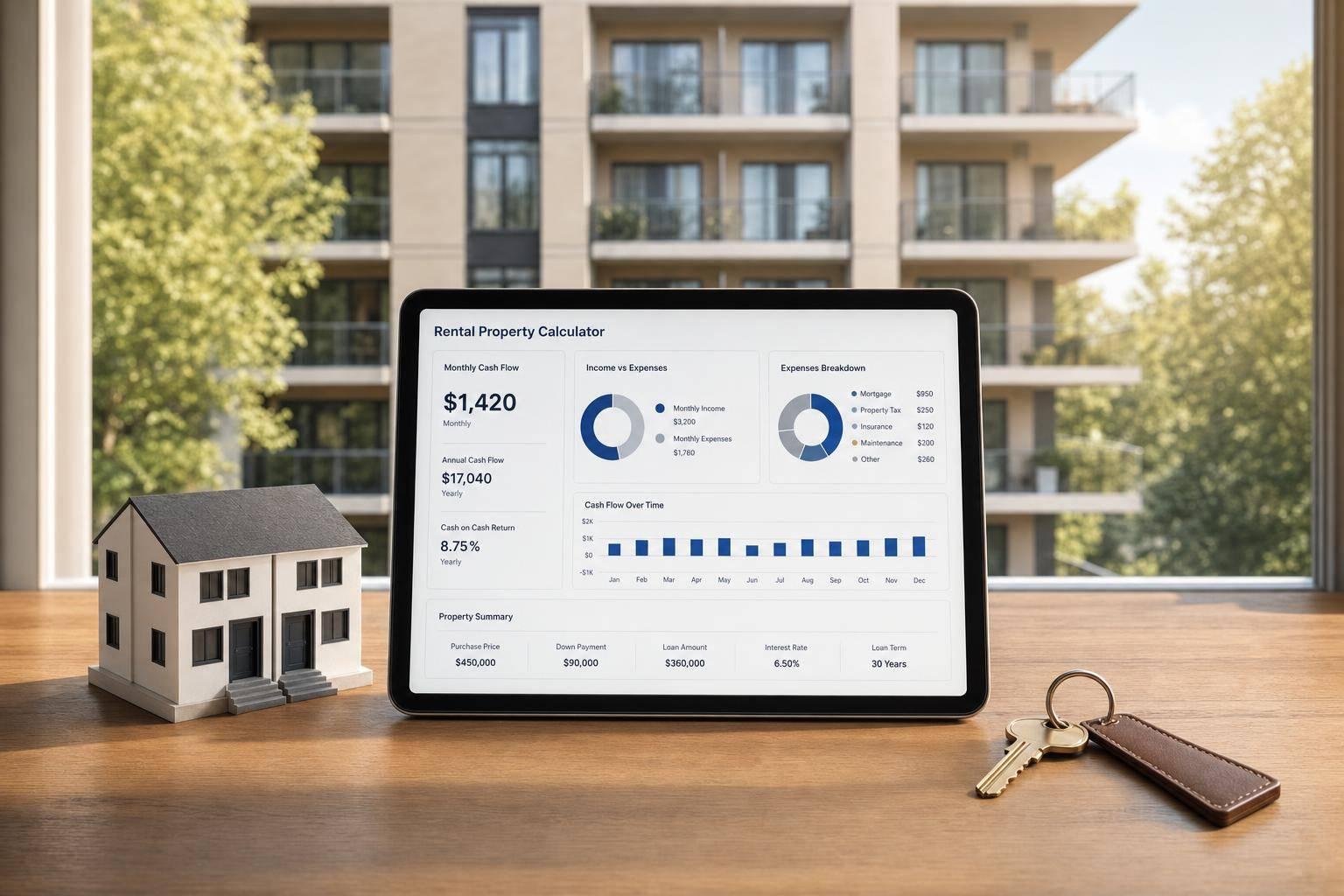
Analyze Rental Deals with More Confidence
A rental property calculator can save investors from making decisions based on rough guesses or overly optimistic spreadsheets. When you’re evaluating a potential deal, the real question is simple: will this property produce solid cash flow after financing, vacancy, and operating expenses are accounted for? This tool helps answer that quickly.
What You Can Measure
By entering purchase price, closing costs, rehab budget, loan terms, rental income, and monthly expenses, you can see the numbers that matter most. That includes mortgage payment, effective monthly income, annual NOI, cap rate, and cash-on-cash return. For investors comparing several opportunities, a reliable rental property calculator makes it much easier to spot which property has stronger fundamentals.
Why It Matters for Investors
A deal that looks great on gross rent alone can fall apart once taxes, insurance, repairs, management fees, and vacancy are included. That’s why using a real estate investment calculator is so valuable. It gives you a cleaner view of true performance, not just top-line income. If you want a quick projection beyond year one, you can also add appreciation to estimate future value and simple equity growth. For buy-and-hold investors, that makes this rental property calculator a practical starting point for smarter analysis.
FAQs
What does this rental property calculator actually help me measure?
It gives you a practical snapshot of a deal’s performance. You can see monthly mortgage payment, monthly and annual cash flow, annual NOI, cap rate, cash-on-cash return, total cash invested, and loan amount. That makes it useful for screening rentals quickly, comparing multiple properties, or pressure-testing a deal by changing rent, expenses, vacancy, or financing assumptions.
What’s the difference between cap rate and cash-on-cash return?
Cap rate looks at the property itself before financing. It uses annual NOI divided by purchase price, so it helps you compare properties on an operating basis. Cash-on-cash return, on the other hand, reflects your actual invested cash and includes debt service, which makes it more personal to your financing structure. Investors often look at both because a property can have a decent cap rate but a weak cash-on-cash return if the financing terms are unfavorable.
Can I use this calculator for a quick projection of future equity?
Yes, for a simple one-year estimate. If you enter an appreciation rate, the tool projects the next-year property value and combines that with principal paid down over the first 12 mortgage payments to estimate one-year equity growth. It’s helpful for a fast planning view, but it’s still a simplified projection. Real-world results can vary based on refinancing, market shifts, repairs, rent changes, and unexpected expenses.


